



 0 Comments



Many people notice changes in their heartbeat from time to time. Some may feel that their heart is racing, fluttering, skipping a beat, or beating harder than usual. These sensations are often called palpitations. Experiencing palpitations can be worrying, especially when they happen without warning. Many times, a fast or bumpy heartbeat is completely safe. It can happen simply because you are feeling worried, exercising a lot, or drinking caffeinated beverages. However, there are situations where healthcare professionals may recommend further assessment to better understand what is happening.
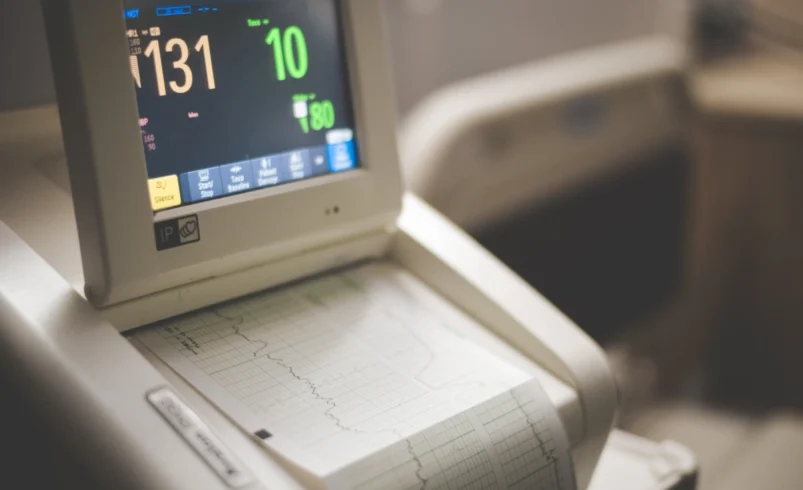
A very common test used to check your pulse is called an electrocardiogram, or an ECG for short. This simple test records the electrical signals in your chest and gives doctors helpful information about how well your body is working.
What Is an Irregular Heartbeat
A healthy heart usually thumps along with a very steady, regular beat. Electrical signals travel through the heart and help control each heartbeat.
An irregular heartbeat occurs when this rhythm changes. The heart may beat too quickly, too slowly, or in an uneven pattern. Some people notice these changes immediately, while others may not feel any symptoms at all. In some cases, an irregular heartbeat may only be identified during a routine medical examination.
What Are Palpitations
Palpitations are sensations that make a person more aware of their heartbeat.
People often describe palpitations as:
- A racing heartbeat
- A fluttering feeling in the chest
- A pounding heartbeat
- A skipped beat
- Extra heartbeats
Palpitations can occur during activity or while resting. They may last for only a few seconds or continue for longer periods. Although palpitations can feel alarming, they do not always indicate a serious heart problem.
Common Causes of Palpitations
Many factors can affect heart rhythm and lead to palpitations.
Common causes include:
- Stress
- Anxiety
- Strong emotions
- Caffeine consumption
- Smoking
- Alcohol intake
- Lack of sleep
- Physical activity
- Fever
- Certain medications
Sometimes your chest might flutter for no obvious reason. If this keeps happening or starts happening more often, medical teams might want to look into it a bit more closely.
What Is an ECG
An ECG is just a check that listens to the natural electrical patterns made by your heart. Small sensors called electrodes are placed on the chest, arms, and legs. These sensors detect electrical activity and send information to a machine that creates a recording.
The test is painless and usually takes only a few minutes to complete. An ECG does not use any sharp needles and does not require an operation. It is completely pain-free, and nearly everyone can go right back to playing or doing their normal daily routine as soon as it is finished.
When Might an ECG Be Recommended
Medical teams might ask you to get an ECG for a few different reasons.
Frequent Palpitations
If your chest flutters a lot, this quick test can tell the doctor if your pulse is beating unusually.
Dizziness or Fainting
People who experience dizziness, lightheadedness, or fainting alongside palpitations may require further assessment.
Chest Discomfort
An ECG may be recommended if palpitations occur together with chest discomfort or other symptoms that could be related to heart function.
Shortness of Breath
Difficulty breathing during episodes of palpitations may prompt healthcare professionals to investigate further.
Family History of Heart Conditions
People with a family history of certain heart conditions may be advised to undergo additional assessment when symptoms develop.
What Can an ECG Help Identify
An ECG can provide information about several aspects of heart function.
It may help identify:
- Irregular heart rhythms
- Heart rates that are too fast
- Heart rates that are too slow
- Signs of previous heart damage
- Certain heart muscle conditions
- Problems affecting the electrical system of the heart
The ECG results are considered alongside a person’s symptoms, medical history, and other test findings.
What Happens During the Test
The whole check is very straightforward and usually takes just a few minutes.
During the appointment:
- The patient lies down on an examination couch.
- Small sensors are attached to the skin.
- The ECG machine records the heart’s electrical activity.
- The recording is reviewed by a healthcare professional.
The test itself is painless. Patients only need to remain still while the recording takes place.
Are Additional Tests Ever Needed
Sometimes an ECG performed during an appointment appears normal because symptoms are not occurring at that moment. If this happens, healthcare professionals may recommend other forms of monitoring.
Examples include:
- Heart rhythm monitors worn for longer periods
- Exercise-based heart assessments
- Imaging tests
- Blood tests
The exact check you need depends on how you are feeling and what your health has been like in the past.
Risk Factors for Heart and Blood Vessel Disease
Many factors can make a person more likely to develop heart disease. Learning about these things can help people make smart choices to keep their bodies healthy for a long time.
These include:
- Increasing age
- Smoking
- High blood pressure
- High cholesterol
- Diabetes
- Excess body weight
- Physical inactivity
- Family history of heart disease
Learning about what can make you feel unwell helps you make smart choices to keep your body strong and well for a very long time.
Supporting Heart Health
Many lifestyle habits can help support heart and blood vessel health.
These may include:
- Taking part in regular physical activity
- Following a balanced diet
- Maintaining a healthy weight
- Avoiding tobacco products
- Limiting alcohol intake
- Managing stress
- Getting enough sleep
- Attending routine medical reviews
Making tiny, healthy choices every single day can lead to a much stronger and happier body as you grow up.
The Importance of Preventive Care
Getting checked by a doctor before you feel unwell is a great way to catch health problems before they become bigger worries. People who would like to learn more about reducing cardiovascular risk can review Heart Health Advice from the NHS, which provides information about heart disease, risk factors, and healthy lifestyle choices. Additional information is available through the WHO cardiovascular risk facts, which explains the impact of cardiovascular disease and the importance of risk reduction.
Additional Health Assessment Options
Some people like to learn more about their bodies. Services from places like Vista Health give you extra options that work alongside your regular doctor visits so that you can talk to your medical team with confidence.
Final Thoughts
A racing chest can happen for lots of everyday reasons, like feeling stressed, drinking fizzy drinks, or not getting enough sleep. Even though it is often nothing to worry about, some moments need a closer look. An ECG is a simple, pain-free check that records the electrical signals of your heart to make sure everything is working just right. It can help healthcare professionals assess heart rhythm and identify possible causes of symptoms.
When combined with medical history, symptom review, and healthy lifestyle habits, ECG testing can play an important role in supporting heart health and guiding appropriate care when needed.
Kashifa Jafar
Kashifa Jafar is a beauty, fashion and lifestyle writer at MakeAllure with 4+ years of experience in content writing and digital publishing. She covers skincare, makeup, beauty trends, fashion, personal style and lifestyle topics, creating clear, practical and reader-friendly content.
Sameena Begum
Sameena Begum is a beauty, fashion and lifestyle content reviewer at MakeAllure. She reviews selected content for clarity, organisation, consistency, readability and overall editorial quality.