



 0 Comments

As we outlined in our post on Middle Class Village Single Floor Home Front Design Ideas, single-floor village homes have long been valued for their simplicity, practicality, and strong connection to the surrounding landscape. In many regions, especially in middle-class rural communities, these homes are designed with function and comfort in mind—compact layouts, open verandas, and accessible outdoor spaces that reflect everyday living. Modern interpretations of these homes are now blending traditional charm with contemporary design, focusing on clean facades, natural materials, and improved lighting to create spaces that feel both efficient and welcoming. Increasingly, homeowners are looking for ways to enhance these qualities while maintaining the essence of rural life.
One design feature that is gaining attention in this context is the curved window. More than just an architectural detail, curved glazing offers a way to deepen the connection between indoor spaces and the natural environment. It transforms how light enters a home, how views are experienced, and how the boundaries between inside and outside are perceived.
Custom Design for Every Home
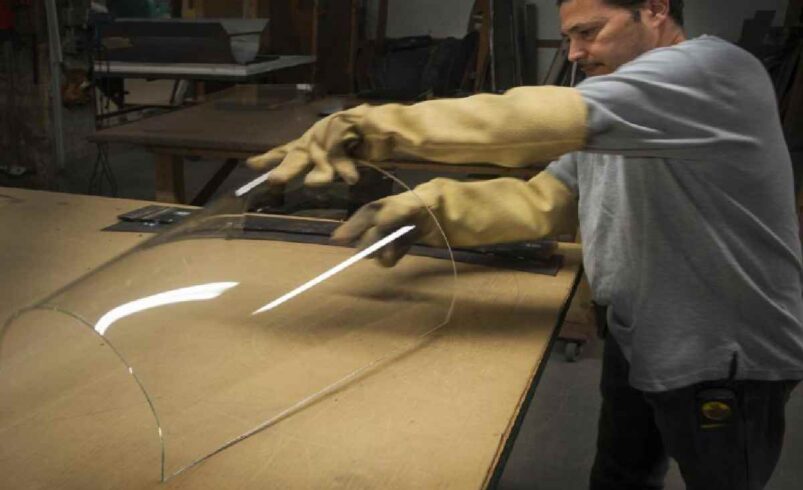
One of the key advantages of curved windows is their adaptability. Whether a home follows a traditional village layout or incorporates more contemporary elements, Flickinger Glassworks show how curved glass can be tailored to suit its design. Curved windows are created by heating flat glass to a high temperature until it becomes pliable, then shaping it over a custom mold to achieve the desired curve. This process allows for a wide range of forms—from subtle arcs to dramatic curves—ensuring that each installation can be customized to fit the exact dimensions and style of a building.
This flexibility is particularly valuable in village homes, where no two structures are exactly alike. Curved windows can be designed to complement sloping roofs, wrap around corners, or frame specific outdoor features. Rather than imposing a standard design, they adapt to the architecture, enhancing its unique character.
Expansive Views of the Landscape
One of the defining features of Life in a Village is the proximity to nature. Fields, gardens, trees, and open skies are often just steps away from the home. Curved windows amplify this connection by offering broader, more immersive views.
Unlike traditional flat windows, which limit the field of vision, curved glazing allows the eye to travel more freely across the landscape. The gentle arc of the glass creates a panoramic effect, bringing more of the outdoors into view.
A single curved window can capture an entire scene—the sweep of a field, the movement of crops in the wind, or the changing colors of the sky. These views are not static; they evolve throughout the day and across seasons, turning the landscape into a living, ever-changing backdrop.
Blurring the Boundary Between Inside and Out
Single-floor homes naturally lend themselves to indoor-outdoor living. With fewer levels and easier access to surrounding spaces, they often feature direct connections to gardens, courtyards, or open land.
Curved windows enhance this connection by softening the boundary between interior and exterior. Instead of a sharp, defined edge, the curve creates a more gradual transition. The result is a space that feels less enclosed and more integrated with its surroundings.
This sense of continuity can make even small homes feel larger and more open. Rooms extend visually into the landscape, creating a feeling of expansion without increasing the physical footprint.
Maximizing Daylight and Ventilation
A LinkedIn post on Natural light explains how it is a crucial element in any home, but it is especially important in rural settings, where reliance on artificial lighting may be limited. Curved windows allow light to enter from multiple angles, distributing it more evenly throughout the space.
This creates brighter interiors that require less artificial illumination during the day. The soft diffusion of light through curved glass also reduces harsh shadows and glare, making rooms feel more comfortable and inviting.
Ventilation is another key consideration. Village homes often rely on natural airflow to maintain comfort, particularly in warmer climates. When designed thoughtfully, curved windows can enhance cross-ventilation, allowing fresh air to circulate more freely.
The combination of light and airflow not only improves energy efficiency but also contributes to a healthier indoor environment.
Encouraging a Slower Way of Living
One of the most appealing aspects of village life is its slower pace. Away from the distractions of urban environments, there is more opportunity to connect with nature and enjoy simple, everyday moments.
Curved windows support this lifestyle by creating spaces that encourage reflection and relaxation. Their soft forms and expansive views invite occupants to pause, observe, and engage with their surroundings.
A morning cup of tea becomes an opportunity to watch the sunrise over the fields. An afternoon break offers a chance to appreciate the movement of leaves in the breeze. These small moments foster a sense of mindfulness, helping to reduce stress and enhance overall wellbeing.
Framing Scenic Views
Curved glazing does more than provide a wide view—it frames it. The shape of the window can be used to highlight specific elements of the landscape, turning them into focal points within the home.
A carefully positioned curve might draw attention to a flowering tree, a water feature, or a distant horizon. By guiding the eye, the window transforms these elements into natural works of art.
This approach adds a layer of intentionality to the design. The landscape is not just visible; it is curated, much like artwork within a gallery. The home becomes a space where architecture and nature work together to create a cohesive visual experience.
A Natural Fit for Village Living
Village homes are inherently connected to their surroundings. Their scale, layout, and materials often reflect the environment in which they are built. Curved windows enhance this connection rather than competing with it.
By improving views, increasing natural light, and creating a more fluid relationship between indoors and outdoors, they align with the principles of biophilic design—an approach that emphasizes the importance of nature in our daily lives.
Why It Works
The success of curved windows in single-floor village homes lies in their ability to amplify what is already there. These homes are naturally positioned within landscapes that offer beauty, tranquility, and space. Curved glazing simply enhances that experience.
It allows homeowners to feel more connected to their environment, to make better use of natural light and airflow, and to create interiors that are both functional and inspiring.
In a world that often feels fast and disconnected, this return to simplicity and nature is more important than ever. Curved windows offer a way to embrace that lifestyle—transforming everyday living into something more mindful, more connected, and ultimately more fulfilling. For more home design ideas, do go through the rest of MakeAllure.